Save $500 Off Full Roof Replacement Projects
Safety First: When and How to Start Your Inspection
The first rule after any major summer storm is to wait until conditions are genuinely safe. If you’re still hearing thunder, seeing lightning, or dealing with high winds, stay inside. Once the storm has fully passed and you’ve confirmed there are no downed power lines near your property, you can begin a preliminary assessment. The best time to inspect is within 24 to 48 hours after the weather clears, while damage is fresh and before any secondary water intrusion has time to worsen.
Start from the ground using a good pair of binoculars or your phone’s zoom camera. Walk the full perimeter of your home, pausing at each corner to scan the roof from multiple angles. Look for obvious signs like missing shingles, lifted edges, or debris sitting on the roof surface. Many homeowners in Frederick County and the Baltimore metro area have two-story homes with steep pitches, and climbing onto these roofs without proper fall protection is a serious risk. If your roof is steep, high, or wet, skip the ladder entirely and schedule a professional roof inspection service instead. A trained eye from the ground combined with an attic check will give you enough information to assess urgency.
Gather your documentation tools before you begin: a smartphone or camera with time and date stamps enabled, a notepad or voice recorder for quick notes, and a sturdy ladder if you plan to inspect gutters or eaves safely from below. When photographing, plan to capture at least four angles of each elevation of your home, standing far enough back to show the entire roof plane in one shot. Then move closer for detail shots of any questionable areas. Make sure your phone’s location services are on so each image is geotagged. Create a simple damage log as you go, noting which side of the house each photo corresponds to and what you observed. This organized approach will save you hours later when you’re filing an insurance claim or explaining findings to a contractor.
One of the biggest mistakes homeowners make is rushing the inspection while surfaces are still wet or obscured by standing water. A wet roof can hide lifted shingles that will only become visible once things dry out, and wet conditions make every surface more slippery and dangerous. Another common error is assuming that because you don’t see damage from one side of the house, the entire roof is fine. Storm cells in Western Maryland often move from the northwest, meaning your back or side elevations may show significant wind damage or hail impact while your front-facing slope looks untouched. Give yourself time to check every angle, and if you feel uncertain about your findings or your safety at any point, that’s the moment to call a local roofing service that understands Maryland storm patterns and can respond quickly.
If you do use a ladder, make sure it’s on firm, level ground, extends at least three feet above the roofline, and that someone is home to assist or call for help if needed. Never lean a ladder against gutters, as storm debris can weaken gutter mounts and cause a collapse. Your goal at this stage is to identify whether you need emergency roof repair right away or whether you have time to schedule a thorough professional inspection within the next few days. Active leaks, large sections of missing shingles, or visible sagging are all red flags that demand immediate action. Everything else can typically wait 48 to 72 hours for a scheduled inspection, but waiting much longer than that risks allowing hidden water damage to take hold.
Exterior Inspection Checklist: Spotting Visible Storm Damage
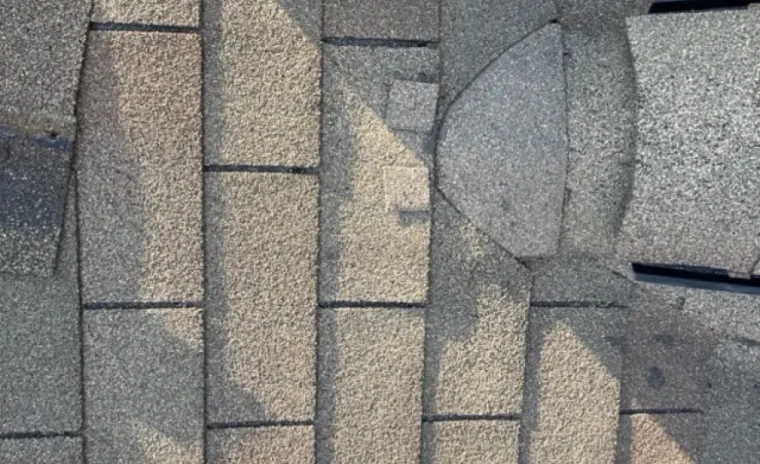
Once you’re positioned safely on the ground with your binoculars or camera, work through a methodical checklist of the most vulnerable areas. Start with the shingles themselves. Are any completely missing, exposing the underlayment or roof decking? Do you see shingles that are cracked, curling at the edges, or lying flat but visibly creased? Check for granule loss, which often shows up as dark or shiny patches where the protective coating has been stripped away. After a storm, you’ll also find granules collecting in your gutters and downspouts. In the I-83 corridor and Frederick County, June and July hail events frequently leave nickel-to-quarter-sized impact marks on north- and west-facing slopes, which are the first to take the brunt of incoming storm cells. If you spot multiple areas of granule loss or denting, that’s a strong indicator that your asphalt shingle roofing has sustained hail damage and will need professional evaluation.
Next, focus on all the transition points where different materials meet. Inspect the flashing around your chimney, skylights, vent pipes, and along roof valleys. Storm winds can lift or bend flashing, creating gaps where water will find its way in during the next rain. Look for any missing or damaged ridge caps along the peak of your roof, and scan the edges and eaves for torn or lifted sections. Wind damage roof repair is one of the most common requests we handle across Carroll and Baltimore counties, because high winds often peel back the edges of roofing material that’s already nearing the end of its lifespan. Many homes in Western Maryland have asphalt shingle roofing with 20- to 30-year lifespans, and a severe storm can age those shingles by five or more years overnight if granule loss is significant. We’ve also noticed that homes built in the 1990s and early 2000s in the Mount Airy and Westminster area often have builder-grade three-tab shingles that are particularly vulnerable to wind uplift once they pass the 20-year mark, so if your roof is in that age range, pay extra attention to the edges and any previously repaired sections.
Don’t forget to check metal components like gutter guards, vent covers, and any metal roofing installation details. Hail leaves visible dents on metal that are easy to photograph and document. Walk around your home and inspect the siding, fascia, and soffits as well. Storm debris can tear these areas, and any damage here often means your roof took a hit too. If you notice multiple problem areas or you’re uncertain whether what you’re seeing is old wear or fresh storm damage, it’s time to call a roof inspection service that can distinguish between the two and provide documentation that satisfies insurance claim requirements.
Interior and Attic Inspection: Finding Hidden Water Intrusion
Storm damage doesn’t always announce itself from the outside. Some of the most serious issues are already developing inside your home, hidden in the attic or behind ceiling drywall. Grab a flashlight and head into your attic during daylight hours if possible. Turn off the lights and look up at the underside of your roof decking. Do you see any daylight peeking through where it shouldn’t be? That’s a clear sign that shingles or flashing have failed. Scan for water stains, dark streaks, or damp insulation. Fresh water damage will often appear as darker, wet-looking patches on wood or fiberglass insulation, while older stains may be dry and discolored. If you smell mustiness or see any fuzzy growth, that’s mold beginning to establish itself, which means water has been present for at least a few days.
Check the areas directly beneath roof valleys, chimneys, and any skylights or vent penetrations. These are the most common points of failure during a storm. Look for sagging sections of decking or insulation, which indicate that water has pooled and saturated the material. Even if your exterior inspection didn’t reveal obvious damage, interior signs often tell the real story. Many homeowners discover storm damage only after noticing a ceiling stain in a bedroom or hallway a week or two after the storm, by which time the underlayment and roof ventilation service areas have already been compromised.
Inside your living spaces, inspect all ceilings and the tops of walls near exterior edges. Start with bedrooms on the upper floor, particularly those along the north and west walls where storm-driven rain is most likely to penetrate. Check hallways that run beneath roof valleys, as these channels concentrate water flow and any leak will show up there first. Look at the corners where ceilings meet exterior walls. Are there any new stains, bubbling paint, or soft spots? Press gently on any suspicious areas; if the drywall feels spongy, water has penetrated. Pay special attention to rooms directly below bathrooms, skylights, or any roof-mounted equipment like satellite dishes, as these penetration points are particularly vulnerable during high winds.
If you discover fresh water damage, take photos immediately before touching or disturbing anything. Capture wide shots that show the location in context and close-ups that reveal the extent of discoloration or sagging. Note the time and date, and write down which room and which wall or ceiling section is affected. This documentation is valuable whether you’re calling for emergency service or filing an insurance claim later. If the damage is old and dry, it may predate the recent storm, which matters for insurance purposes. Fresh stains are typically darker, may still feel cool or damp to the touch, and the surrounding paint or drywall will look crisp rather than yellowed or flaking. Old water damage usually has well-defined edges, discoloration that’s turned brown or yellow, and may show signs of previous amateur repair attempts.
Catching interior damage early prevents costly secondary issues like mold remediation, insulation replacement, and structural rot. If you’re seeing any of these warning signs, don’t wait. You likely need a roof leak detection assessment or even emergency roof repair to prevent the problem from spreading. A professional roof inspection service uses moisture meters and thermal imaging to find hidden water intrusion that you can’t see with the naked eye, which is critical for insurance documentation and long-term home protection.
Documenting Storm Damage for Your Insurance Claim
After a major summer storm passes through New Market, MD and surrounding areas in Frederick County, your roof may have sustained damage that isn’t immediately visible from the ground. Capital Design & Remodeling understands that timely roof inspections are critical for protecting your home and ensuring your insurance claims are processed correctly. Our professional roofing contractors have extensive experience identifying storm and wind damage across Howard County, Carroll County, Montgomery County, and beyond.
Summer storms in Maryland and Pennsylvania can produce high winds, heavy rainfall, and hail that compromise your roof’s integrity. Even if you don’t see obvious damage like missing shingles or holes, underlying issues may have developed that will worsen over time. Water infiltration, weakened structural components, and damaged flashing can lead to expensive repairs if left unaddressed. Understanding what to look for during a post-storm roof inspection helps homeowners make informed decisions about necessary repairs.
Start your inspection by examining your property from the ground. Walk around your entire home and look for debris, displaced gutters, or shingles scattered in your yard. Check your gutters and downspouts for granules from asphalt shingles, which indicate surface wear and potential shingle damage. Examine the condition of any skylights, chimneys, and ventilation systems that penetrate your roof surface. These vulnerable areas often sustain impact damage during severe weather events.
Pay attention to your home’s interior as well. Water stains on ceilings or walls signal that moisture has penetrated your roof system. Check your attic for daylight coming through the roof boards, wet insulation, or signs of water intrusion. Document everything you find with photographs and detailed notes, as this evidence will support your insurance claim and help roofing professionals assess the full extent of damage.
From ground level, use binoculars to inspect your roof surface more closely. Look for missing, cracked, or curling shingles that may have been lifted by strong winds. Examine the roof’s edges and ridgeline, where wind damage typically occurs first. Check for dents or dimples in metal components like flashing, vents, and gutters, which indicate hail impact. Assess whether your roof appears uniform in color and texture, as inconsistencies may reveal damaged or displaced materials.
Safety should always be your priority when inspecting for storm damage. Never climb onto your roof without proper equipment and training, especially after a storm when surfaces may be wet, weakened, or littered with debris. Professional roofing contractors have the experience, equipment, and insurance necessary to conduct thorough inspections safely. Capital Design & Remodeling’s team can identify damage that untrained eyes might miss and provide accurate assessments for insurance purposes.
Schedule a professional roof inspection as soon as possible after a major storm. Insurance companies typically require timely reporting of damage, and delays can complicate your claim process. Our roofing experts conduct comprehensive evaluations that examine not only visible damage but also potential structural issues that may not be apparent immediately. We provide detailed reports with photographic evidence that clearly document the condition of your roof and the scope of necessary repairs.
During a professional inspection, roofing contractors assess multiple components of your roofing system. They examine the condition of shingles or other roofing materials, checking for cracks, tears, punctures, and displacement. They evaluate flashing around chimneys, vents, skylights, and valleys to ensure these critical waterproofing elements remain intact. They inspect gutters and downspouts for damage and proper attachment. They also examine the roof deck from inside your attic to identify structural damage, water intrusion, or compromised insulation.
Wind damage often manifests in patterns that reveal the storm’s direction and intensity. Lifted or missing shingles typically appear on the side of your roof that faced the prevailing winds. Edge damage along eaves and rakes indicates uplift forces that can compromise your roof’s wind resistance. Creased or folded shingles suggest that strong gusts bent the materials beyond their flexibility limits. Understanding these patterns helps roofing professionals determine whether damage resulted from the recent storm or represents pre-existing wear.
Hail damage presents unique challenges because it may not be immediately obvious. Small dents in asphalt shingles can compromise the protective granule layer without creating visible holes. Over time, these damaged areas allow accelerated weathering and water penetration. Metal components like flashing, vents, and gutters show dents more clearly and serve as indicators of hail size and impact force. Professional inspectors know how to identify subtle hail damage that will cause problems in the future even if it seems minor today.
Document all storm damage thoroughly before making any repairs beyond emergency tarping to prevent further water intrusion. Take wide-angle photographs showing your entire roof and close-up images of specific damaged areas. Include reference objects in your photos to illustrate the scale of damage. Record the date and time of the storm, weather conditions, and any immediate effects you observed. This documentation supports your insurance claim and ensures you receive appropriate compensation for necessary repairs.
Contact your insurance company promptly to report storm damage and initiate a claim. Most homeowners insurance policies cover roof damage from wind, hail, and falling debris, though coverage specifics vary by policy. Your insurance adjuster will inspect your property to assess damage and determine coverage. Having a professional roofing contractor’s inspection report available when the adjuster visits strengthens your claim and ensures all damage is properly evaluated and documented.
Working with experienced roofing contractors throughout the claims process protects your interests. Capital Design & Remodeling has extensive experience collaborating with insurance adjusters and helping homeowners navigate the claims process. We provide detailed estimates that accurately reflect the scope of necessary repairs, ensuring you receive fair compensation. Our team can identify damage that adjusters might overlook and advocate for comprehensive repairs that restore your roof’s integrity and protect your home’s value.
Emergency repairs may be necessary to prevent additional damage while you wait for insurance approval and permanent repairs. If your roof has sustained significant damage that allows water infiltration, temporary tarping protects your home’s interior from further harm. Document any emergency repairs with photographs and receipts, as most insurance policies reimburse reasonable costs for preventing additional damage. Avoid making extensive permanent repairs before your insurance adjuster completes their inspection, as this can complicate your claim.
The timing of permanent roof repairs depends on damage severity, insurance processing, and contractor availability. Summer storm season often creates high demand for roofing services throughout Maryland and Pennsylvania. Capital Design & Remodeling prioritizes emergency situations while scheduling comprehensive repairs as efficiently as possible. Our team works diligently to restore your roof’s protection before secondary damage occurs, completing projects with the quality craftsmanship and attention to detail that has built our reputation throughout Frederick County and surrounding service areas.
Roof repair for storm and wind damage requires professional expertise to ensure lasting results. Properly replacing damaged shingles involves more than simply nailing new materials over compromised areas. Contractors must remove damaged materials, inspect and repair underlying components, install new materials according to manufacturer specifications, and ensure proper integration with existing roofing elements. Quality repairs restore your roof’s weather resistance and maintain its warranty coverage, protecting your investment and your home.
Some storm damage may necessitate complete roof replacement rather than repairs. If a significant percentage of your roof sustained damage, if the roof was already near the end of its service life, or if structural components were compromised, replacement provides better long-term value than extensive repairs. Professional roofing contractors assess whether repair or replacement makes more financial sense given your roof’s age, condition, and the extent of storm damage. Insurance coverage often includes replacement costs when repairs would exceed a specified percentage of replacement value.
Preventive measures can minimize future storm damage and extend your roof’s service life. Regular professional inspections identify and address minor issues before they become major problems. Keeping gutters clean ensures proper water drainage that prevents ice dams and water backup. Trimming overhanging tree branches reduces the risk of impact damage during storms. Ensuring adequate attic ventilation prevents moisture accumulation that weakens roofing materials. Capital Design & Remodeling offers comprehensive maintenance services that keep your roof in optimal condition year-round.
Selecting qualified roofing contractors for storm damage repairs protects you from substandard work and potential scams. Unfortunately, major storms often attract fraudulent contractors who perform poor-quality work, demand payment upfront, or disappear after collecting deposits. Choose established local companies with verifiable addresses, proper licensing and insurance, and strong reputations in your community. Capital Design & Remodeling has served New Market, Frederick County, and surrounding areas for years, building lasting relationships through honest service and quality workmanship.
Our comprehensive roofing services address all aspects of storm damage repair and restoration. From initial inspections through insurance claims support and complete repairs, Capital Design & Remodeling provides the expertise and professionalism homeowners need during stressful post-storm situations. We serve residential clients throughout Anne Arundel County, Baltimore County, Washington County, Adams County PA, York County PA, Franklin County PA, and surrounding regions, delivering consistent quality regardless of project scope.
Beyond roofing services, Capital Design & Remodeling offers related exterior services that address comprehensive storm damage. Our gutter cleaning and gutter service ensure proper water management around your home. We provide siding installation and siding repair when storms damage your home’s exterior walls. Our window installation service replaces broken or damaged windows. We offer skylight installation and repair for these vulnerable roof penetrations. This comprehensive service approach means you work with one trusted contractor for all your storm damage restoration needs.
Professional roof installation delivers superior results when replacement becomes necessary. Our roofing contractors follow industry best practices and manufacturer specifications throughout every project. We use quality materials backed by strong warranties and install them with the attention to detail that ensures maximum performance and longevity. Whether you need repairs or complete replacement, Capital Design & Remodeling’s commitment to excellence means your home receives the protection it deserves.
Don’t delay addressing storm damage to your roof. Even minor damage worsens over time, leading to water infiltration, structural deterioration, and more expensive repairs. Insurance claims must be filed promptly, and documentation must be thorough to ensure proper coverage. Contact Capital Design & Remodeling for professional roof inspection services throughout Maryland and Pennsylvania. Our experienced team identifies all storm damage, provides detailed documentation for insurance purposes, and delivers quality repairs that restore your roof’s integrity and protect your most valuable investment.
When to Call a Professional and What Happens Next
Knowing when to escalate from DIY assessment to professional help can save you thousands of dollars and prevent long-term structural damage. If you discover active leaks, large sections of missing shingles, visible sagging in your roof decking, or any situation where water is entering your home, you need emergency roof repair immediately. Don’t wait for business hours. Call a local roofing service that offers 24-hour storm response and can tarp or temporarily seal the damaged area to prevent further water intrusion. Even a few hours of rain on an exposed roof deck can soak insulation, damage ceilings, and create conditions for mold growth.
For damage that’s significant but not actively leaking, you should schedule a professional roof inspection service within the next few days. A thorough inspection includes everything you checked from the ground and attic, plus technical assessments you can’t do yourself. Professionals use moisture meters to detect hidden water in the decking and insulation, inspect the underlayment for tears or separation, check that flashing is properly sealed and code-compliant, and evaluate whether your roof ventilation service is still functioning correctly after the storm. They’ll also assess the remaining lifespan of your roofing material and determine whether a repair will suffice or whether storm damage has compromised enough of the roof to justify a full replacement under your insurance policy.
This level of detail matters not just for your home’s protection but also for your insurance claim. Adjusters often rely on professional assessments to make coverage decisions, and a report from a licensed, local roofing contractor carries weight that homeowner photos alone do not. If you’ve walked your property and spotted any of the warning signs we’ve discussed in this guide, whether it’s granule loss in your gutters, lifted flashing around your chimney, interior water stains, or dents on metal components, it’s time to bring in a team that knows Maryland storm patterns and insurance requirements. At Capital Design & Remodeling, we provide fast storm damage roof repair, wind damage roof repair, and hail damage roof repair across Frederick, Carroll, Baltimore, and surrounding counties. We’ll walk you through what we find, explain your options in plain language, document everything for your insurer, and get your repairs scheduled before the next storm system rolls through.
Maryland’s summer storm season doesn’t end in June. We see severe weather events through August, and the temperature swings between hot days and cool nights can accelerate wear on a roof that’s already been compromised. Waiting weeks or months to address storm damage means you’re gambling with your home’s structural integrity and your insurance claim window. Most policies require you to report damage and begin mitigation promptly, and delays can give insurers grounds to reduce or deny coverage. If you’re anywhere in Western Maryland or the Baltimore metro area and you’ve just been through a major summer storm, don’t leave your roof to chance. Contact our team for a professional inspection, transparent communication, and the insurance claim roofing assistance you need to protect your home and your investment. You can reach Capital Design & Remodeling at our contact page or call us at 4109919986. We’re here to help you move forward with confidence.